Kia Soul Buyer’s Guide: Problems, Best Years, Costs
For many used buyers, commonly recommended Kia Soul picks are the 2017–2019 and 2022–2023 model years; avoiding 2012–2016 may help reduce engine and transmission risk, and upkeep may run about $1,000–$2,500 a year. Skip the cheap outliers, because a low-priced Soul can need engine, catalytic-converter, or clutch work that wipes out the savings fast. This guide sorts Soul problem years, better years, and real ownership costs so you can set a buy/no-buy budget.
Kia Soul buying overview
The Soul is a smart used buy when you want a small hatchback with easy packaging, simple front-wheel-drive hardware, and useful tech for the money. It is not a buy-every-option crossover, and it does not offer all-wheel drive, so your decision should hinge on year group, inspection results, and repair exposure rather than badge value.
Where the Soul fits in the used market
The Soul has been built since 2009, which gives you a long used market with clear generation splits. The current third-generation Soul arrived for 2020, and a 2023 update added styling touches and more driver-assist features. That matters because the later cars usually bring the best balance of age, equipment, and lower repair risk.
What this guide helps you decide
This is a buy/no-buy filter, not a general review. You are trying to separate the years with manageable wear from the years that can bring engine, clutch, or electrical bills that swamp a bargain price. The decision table below turns that into inspection items and repair-budget bands.
Quick verdict by budget and risk
Buy 2017–2019 if you want the safest older value play, and look hard at 2022–2023 if you want newer features with lower mileage. Skip 2012–2016 unless the price is well below market and the car has proof of major repairs. A 2020–2021 Soul can still make sense, but inspect it like a newer car with some first-year model risk.
📊 The Kia Soul has been built since 2009. Source: Motortrend.
Which Kia Soul years should you buy?
Earlier first-generation cars can still work at the right price, but the risk rises sharply in the 2012–2016 window, where engine and transmission concerns are the main reason to walk away. Newer third-generation cars bring better tech and generally easier shopping.
First-generation years: what to watch
Early Souls from 2009 through 2011 are old enough that condition matters more than brochure specs. Pay attention to rust, suspension wear, HVAC operation, and evidence of neglected maintenance. By 2012–2016, the bigger concern is not age alone; it is the mix of wear and known powertrain exposure that can make a cheap car expensive fast.
Second-generation years: strongest value picks
For used shoppers, 2017–2019 are the cleanest value zone in the second generation. They are new enough to avoid the oldest-car penalties, yet old enough that pricing is often reasonable. This is the range to target if you want a straightforward commuter without paying extra for the latest infotainment or the newest driver-assist package.
Third-generation years: what changed for 2020 and 2023
The 2020 redesign brought the third generation, and the 2023 update added styling touches and more driver-assist features. That matters because the later third-gen cars usually feel more complete inside and have the newest safety content in the lineup. If you are choosing among newer used examples, 2022–2023 often lands in the sweet spot.
2025 lineup context for shoppers comparing newer used examples
The 2025 Soul uses a 2.0-liter inline four-cylinder engine that makes 147 horsepower and 132 lb-ft of torque, paired with a CVT automatic and front-wheel drive only. That is the reference point for late-model used shopping. It tells you what the car is built to be, a simple, efficient, front-drive runabout rather than a performance hatch.
Kia Soul problems by year group
The common Soul problems change by generation, which is why “Kia Soul reliability” is too broad to be useful. The main shopping risks are engine wear, transmission or clutch issues on older cars, electrical and infotainment glitches, and theft-related damage on certain model years. Your pre-purchase inspection should match the year group.
Engine and driveline issues to inspect
On older Souls, listen for cold-start noise, rough idle, smoke, and warning lights tied to misfire or oil-use concerns. Check for clean service records and verify that the engine pulls smoothly through the rev range. On higher-mileage cars, look closely at cooling-system condition and any signs of neglected oil changes.
A common first-timer mistake is to buy the cheapest Soul on the lot and assume the engine light will stay off because the car “runs fine.” A 120,000-mile example with rough idle, dark oil, and a recent battery disconnect can hide a deeper issue that shows up only after a longer road test and a scan for stored faults.
Transmission and CVT checks
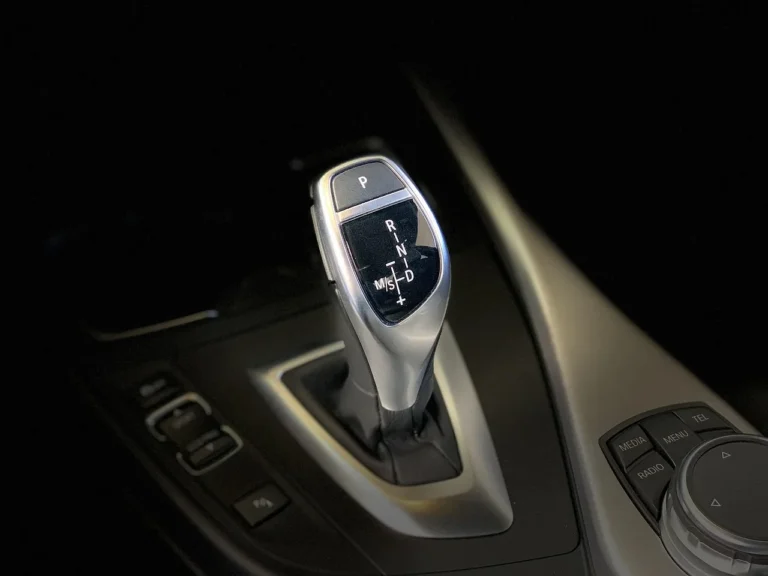
Manual-transmission Souls can be sensitive to clutch wear if the car has been driven hard in traffic, especially in earlier years. For automatic cars, test for hesitation, flare, shudder, or delayed engagement. On the 2025-style setup, the CVT is part of the expected package, so smooth low-speed operation matters more than dramatic acceleration.
Suppose you are looking at a 2018 Soul with 86,000 miles. If it creeps cleanly into gear, shifts without shudder, and the clutch pedal has a consistent bite point, that is a better sign than a shinier car with no paperwork and a vague “recent service” note. On a CVT car, the test is different: smooth, even pull without surging or drone changes under light throttle.
Electrical, infotainment, and body-related faults
Electrical complaints often show up as screen glitches, Bluetooth problems, dead door locks, or intermittent warning messages. On later cars, inspect the infotainment unit for lag, blank screens, and smartphone integration problems. Also check for water intrusion around doors, hatch seals, and headlamp housings, because body leaks can lead to repeat electrical faults.
Theft-related risk and mitigation history
Some Soul years drew extra attention because easy-to-target theft stories pushed more buyers into checking insurance and anti-theft protection. If you are shopping an affected year, confirm whether the car has updated software, an immobilizer where applicable, and a visible theft deterrent such as a steering-wheel lock during ownership. Damage from attempted theft can be expensive even when the car is recovered.
Kia Soul decision table
This table turns year-group shopping into a buy/no-buy screen. Use it with a scan tool, a cold start, and a road test. If the seller cannot support the mileage and repair history, move the car to the higher-risk column and price the necessary work into your offer.
| Model-year group | Likely risk level | Priority inspection items | Estimated repair budget band | Best trim or package sweet spot |
|---|---|---|---|---|
| 2009–2011 | Moderate to high | Rust, suspension wear, oil leaks, HVAC, warning lights | $1,500–$3,000 | LX only if history is documented |
| 2012–2016 | High | Engine noise, oil consumption signs, transmission behavior, cooling system | $2,000–$4,500 | Well-kept higher trims only after deep inspection |
| 2017–2019 | Low to moderate | Service records, brakes, tires, electronics, road-test smoothness | $1,000–$2,000 | EX for comfort; S for value |
| 2020–2021 | Moderate | First-year redesign quirks, infotainment, driver-assist operation, road noise | $1,000–$2,500 | S or GT-Line if priced near base models |
| 2022–2023 | Low | Software updates, infotainment, sensor alignment, tire wear | $800–$1,800 | EX or Soulmate edition if feature content matters |
| 2024–2025 | Low | Warranty history, CVT feel, electronics, dealer update records | $800–$1,500 | S or EX for most buyers |
How much does a used Kia Soul cost to own?
A used Soul can be inexpensive to own when you buy the right year and avoid deferred repairs. The real cost comes from condition, mileage, and whether you are shopping a riskier era.
Purchase price versus repair exposure
The lowest sticker price is not the lowest ownership cost. A cheaper Soul that needs tires, brakes, a battery, and a major driveline repair can quickly outrun a cleaner example priced a few thousand dollars higher. That is why the table puts repair-budget bands next to each year group instead of giving only average asking prices.
Mileage bands and expected budget pressure
Below roughly 60,000 miles, a later Soul may need little beyond tires, fluids, and normal wear items. Between 60,000 and 100,000 miles, budget for brakes, battery, suspension bushings, and possible infotainment glitches. Past 100,000 miles, condition matters more than mileage itself, and you should expect a wider repair spread.
Insurance, fuel, and routine service context
Insurance is often easier to predict on the Soul than on faster crossovers, but theft history can change premiums by zip code and year. Fuel costs are modest because the car is efficient, and routine service is simple enough for most shops. The catch is that powertrain repairs on the wrong year can wipe out those savings fast.
When a cheaper car becomes the expensive choice
If a 2013 or 2014 Soul is priced far below a 2018 or 2022 example, ask why. The cheaper car may need a catalytic converter, engine work, or clutch replacement soon after purchase. If the seller cannot prove recent major service, the lower purchase price may be a warning, not a win.
Is the Kia Soul good on gas?
Yes, the Soul is good on gas for a small boxy hatch, though it is not class-leading. Fuel economy is rated at 27-29 mpg city and 33-35 mpg highway, depending on specification.
2.0-liter engine output and driveline layout
The Soul’s current setup is simple: front-wheel drive only, no all-wheel drive, and a modest-output engine tuned for everyday use. MotorTrend lists 0–60 mph at 8.3 seconds, which is fine for commuting and passing with planning. It is not built for quick launches, so throttle use affects consumption more than in a stronger vehicle.
EPA economy figures by spec
The spread of 27-29 mpg city and 33-35 mpg highway shows that trim and equipment can move the numbers a bit. Heavier wheel and tire packages, extra equipment, and more stop-and-go driving can pull real-world results down. Highway use with steady speeds is where the Soul tends to make the best case for itself.
What changes fuel use in the real world
Short trips, cold weather, heavy cargo, and repeated hard acceleration will all cut into economy. So will underinflated tires and roof accessories. If your commute is mostly suburban, the Soul can stay close to its rating. If it spends most of its time in dense traffic, expect lower numbers.
Why front-wheel drive matters for buyers
Front-wheel drive keeps the Soul simple and light, which helps cost and packaging. It also means you should not buy it expecting snow-belt traction from an AWD system that does not exist. If your priority is winter grip, you will want winter tires and a different plan, not a trim change.
How safe is the Kia Soul?
The Soul has solid crash results for the class, but you still need to shop by year. NHTSA gave the Soul a four-star overall rating, and IIHS awarded Good scores in every crash test it conducted on the Soul. Later models also add more driver-assist features, which improves daily protection. (Motortrend)
Crash-test results to know
The NHTSA four-star overall score and IIHS Good results are the main hard safety points to know. Those ratings do not erase the differences between model years, though. A newer Soul with updated driver-assist hardware and working sensors is a better safety buy than an older one with warning lights and missing options.
Standard and available driver-assist features
The Soul includes front automatic emergency braking, lane departure warning, and lane keep assist on the features list, with blind-spot monitoring on higher trims. A 2023 update added more driver-assist features, which makes newer used examples more appealing. If safety is a priority, focus on trims that include the extra sensor set.
Which trims add the most useful safety tech?
The S, EX, GT-Line, and Soulmate edition are the trims most likely to bring the helpful extras buyers actually use, especially blind-spot monitoring and better camera or screen packages. The base LX is the cheapest entry point, but it may leave you with fewer convenience and safety features than a midgrade car at a small premium.
Safety tradeoffs on older model years
Older Souls can still be a reasonable safety buy if the car has been maintained and the airbags, seat belts, and warning systems all check out. The tradeoff is that older model years may miss some of the newer driver-assist content now expected by shoppers. That makes condition and trim selection more important, not less.
Interior space and cargo capacity
The Soul’s packaging is one of its best selling points. It gives you 41.1 inches of front legroom, 38.8 inches in the rear, 24.2 cubic feet of cargo space behind the seats, and 62.1 cubic feet with the seats folded. Those figures help explain why it stays popular with budget shoppers who need usable space.
Cabin room that matters in daily use
The front seat is roomy for a subcompact, and the rear seat is more usable than many shoppers expect from the outside. That matters if you carry adults in back or fit a child seat without giving up all front-seat comfort. It is one of the Soul’s clearest practical advantages.
Cargo layout and hatch usefulness
With 24.2 cubic feet behind the seats, the Soul handles groceries, luggage, and gear without much drama. Fold the rear seats and the space grows to 62.1 cubic feet, which is enough for larger boxes or home-project loads. The boxy shape helps more than a sloped roofline would.
Trim and infotainment guide
Trim choice matters because the Soul’s value shifts quickly once you move above the base car. The standard 8.0-inch touchscreen, Apple CarPlay, and Android Auto cover the basics, while higher trims can get a 10.3-inch touchscreen and more comfort or safety content. That makes trim choice part of the buy/no-buy call.
Trim levels to compare
The main trims are LX, S, GT-Line, EX, and Soulmate edition. LX is the budget entry, S is the usual value pick, GT-Line adds style, EX leans toward comfort, and Soulmate edition gives shoppers a feature-heavy option in the later lineup. Pick the trim that matches your feature target before you shop condition.
Infotainment and smartphone integration
An 8.0-inch infotainment touchscreen is standard, and a 10.3-inch touchscreen is available on higher trims. Apple CarPlay and Android Auto are part of the shopping conversation because they reduce the need to rely on a built-in navigation system. If screen size and phone integration matter, avoid the cheapest trim unless the price gap is large.
Best used-trim value by budget
For most shoppers, S is the best balance of price and useful equipment. EX is the step up if you want more comfort and are willing to pay for it. If you want the most content for the money, target a well-kept 2022–2023 EX or Soulmate edition rather than a high-mileage base car with fewer features.
Practical inspection checklist
Use this list before you make an offer. The Soul rewards careful shopping, and it punishes assumptions. A clean history and a decent road test matter more than a low sticker price.
- Start the car cold and listen for rough idle, ticking, or smoke.
- Check for warning lights, stored codes, and recent battery disconnects.
- Test the transmission or CVT for shudder, delay, or flare.
- Inspect tires, brakes, suspension, and uneven wear patterns.
- Verify that Apple CarPlay, Android Auto, cameras, and touchscreen controls work.
- Look for signs of water intrusion around the hatch, doors, and lamps.
- Confirm recall work, theft-related updates, and service records.
- Compare the asking price against the repair budget band for that year group.
Frequently asked questions
What Kia Soul years should I avoid?
The main years to avoid are 2012–2016 if your goal is lower engine and transmission risk. Price alone should not override that risk.
What are the most common Kia Soul problems?
The most common issues shoppers need to screen for are engine wear, transmission or clutch trouble, electrical glitches, infotainment faults, and theft-related damage on certain years. Older cars also need careful checks for suspension wear and oil leaks. The right inspection depends heavily on the model-year group.
Which Kia Soul years are the most reliable?
For used buyers, 2017–2019 and 2022–2023 are the strongest bets. They tend to sit in the better part of the Soul’s used market because they balance age, equipment, and repair exposure more cleanly than earlier years. A well-kept example still matters more than the badge year alone.
Does the Kia Soul have all-wheel drive?
No. The Soul does not offer all-wheel drive, and it is front-wheel drive only. That keeps the car simple and efficient, but it also means winter traction depends on tires rather than an AWD system. Buyers in snowier areas should plan accordingly before they shop by trim.
What is the best Kia Soul trim to buy used?
The S trim is usually the best value for most used shoppers because it balances price, equipment, and everyday usefulness. If you want more comfort or safety content, look at EX, GT-Line, or a later Soulmate edition. The base LX is cheapest, but often the least satisfying after purchase.