Volvo XC90 vs BMW X5: Which Is Better Used?
For most used buyers, the BMW X5 is the better pick if you want stronger power and sharper handling, while the Volvo XC90 is the smarter choice if you need three usable rows and a lower buy-in. Start with engine choice and seating needs. Used examples live or die on condition, so service history matters as much as spec.
| Decision factor | Volvo XC90 | BMW X5 | Winner |
|---|---|---|---|
| Purchase price | Usually lower on the used market when equipment and mileage are similar. | Usually higher for equivalent year, trim, and mileage. | Volvo XC90 |
| Running costs | Better fit if you want to limit buy-in and keep a larger family SUV within budget. | Can cost more to keep on the road, especially if fitted with larger wheels, performance tires, or expensive options. | Volvo XC90 |
| Seating usefulness | 7 seats | 5 seats | Volvo XC90 |
| Cargo practicality | 302/680 liters | 650 liters | Volvo XC90 |
| Performance | 184 kW, 7.7 s, B5 AWD Geartronic | 280 kW, 5.4 s, xDrive40i Steptronic Sport | BMW X5 |
| Towing | 2400 kg braked towing rating | 3500 kg braked towing rating | BMW X5 |
| Winter usability | 216 mm ground clearance, AWD, seven-seat layout for family duty | 214 mm ground clearance, AWD, stronger power reserve under load | Tie |
| Resale strength | Can be strong, but broader supply and lower entry prices usually keep the used buy easier to justify. | Often holds demand well when condition, spec, and maintenance are clean. | BMW X5 |
Volvo XC90 vs BMW X5: the used-car verdict
The Volvo XC90 is the better used buy for families that need 7 seats and more space for people, while the BMW X5 is the better used buy for drivers who care more about speed, towing, and the stronger engine choice. Both are premium midsize SUVs with AWD and automatic gearboxes, but they solve different ownership problems.
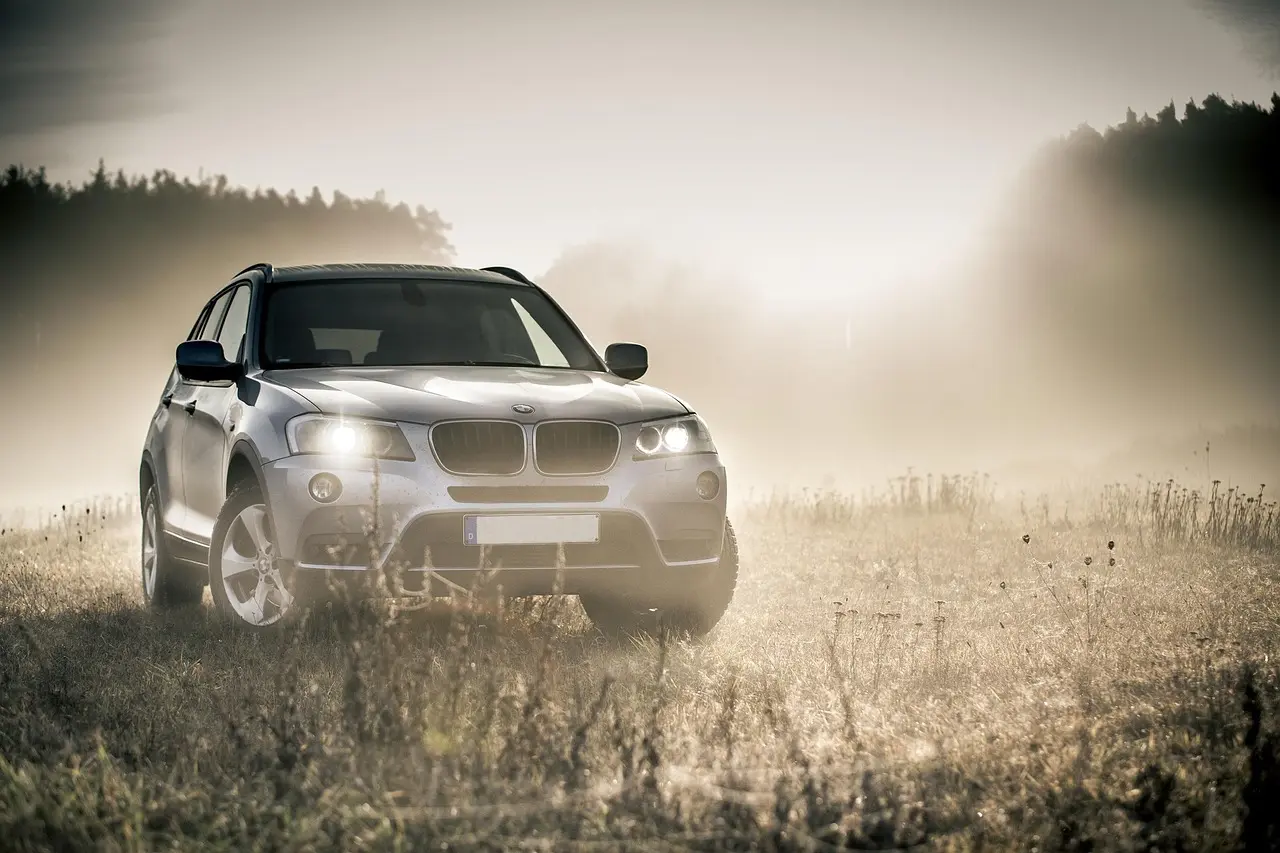
This comparison focuses on used XC90 and X5 examples where year, mileage, options, and service records matter. A clean B5 AWD XC90 and a clean xDrive40i X5 can look similar on paper, yet their ownership costs, seating layout, and towing ability point to different buyers. Because specs vary by model year and market, the safest way to compare is to verify the exact vehicle on the listing, trim sheet, and vehicle documents before you buy.
Used-buyer decision matrix
Use this as a practical filter, not a badge contest. The XC90 wins on family packaging and lower entry cost. The X5 wins where power and towing matter more than an extra seat.
| Criterion | Volvo XC90 | BMW X5 | Used-buyer take |
|---|---|---|---|
| Purchase price | 5 | 3 | XC90 is easier to buy used. |
| Fuel cost | 4 | 2 | Smaller engine choice usually favors the XC90. |
| Maintenance risk | 3 | 3 | Both need records; trim and mileage matter more than brand alone. |
| Seating usefulness | 5 | 2 | Seven seats change the XC90’s daily value. |
| Cargo practicality | 4 | 3 | XC90 gives more flexibility with seat configuration. |
| Towing | 3 | 5 | X5 is the stronger tow tool. |
| Winter usability | 4 | 4 | Both have AWD and similar ground clearance. |
| Resale strength | 3 | 4 | X5 often stays desirable when well maintained. |
Why the XC90 wins the family side
The XC90’s 7-seat layout is the difference maker. A third row is useful only if you can actually use it without turning the vehicle into a luggage sacrifice, and the XC90 still lists 302/680 liters of trunk volume depending on seat position.
That makes it the better answer for school runs, airport trips, and mixed family use. If you need occasional extra seats, the XC90 gives you them without moving up to a much larger SUV.
Why the X5 wins the driving side
The X5 xDrive40i is the stronger choice for buyers who want more performance every day. Its 2998 ccm engine, 280 kW output, and 5.4 s 0-100 km/h time put it well ahead of the XC90 B5 AWD Geartronic, which uses a 1969 ccm engine, makes 184 kW, and reaches 100 km/h in 7.7 s.
That gap matters most when you carry passengers, climb grades, or tow. The BMW feels less strained when loaded.
Which is bigger?
The Volvo XC90 is slightly bigger overall, but the difference is small enough that interior layout matters more than the headline length. It measures 4953 mm long with a 2984 mm wheelbase, while the BMW X5 measures 4935 mm long with a 2975 mm wheelbase.
Dimensions and packaging
The XC90 is 18 mm longer and has a 9 mm longer wheelbase. That extra length helps packaging for the third row, which is why the Volvo can claim 7 seats while the X5 is listed as a 5-seat SUV.
In practice, the BMW’s shorter body does not make it small. It is still a large premium SUV, but the XC90 is the one built around people-moving first.
Cargo space with seats up
With all seats in use or near-use, the XC90’s packaging advantage becomes more obvious. Its listed trunk volume is 302/680 liters, while the X5 is listed with a 650-liter trunk.
Picture a family with two child seats and weekend bags. In the XC90, you are more likely to keep the third row available for short trips. In the X5, you get more straightforward five-seat cargo space, but no third-row flexibility.
How do the engines compare?
The BMW X5 xDrive40i is the stronger powertrain by a wide margin, while the Volvo XC90 B5 AWD Geartronic is the calmer and less expensive-feeling option for buyers who do not need sprinting pace. The X5’s 2998 ccm six-cylinder makes 280 kW and hits 100 km/h in 5.4 seconds.
Volvo XC90 B5 AWD Geartronic
The XC90 B5 AWD Geartronic pairs a 1969 ccm engine with 184 kW, AWD, and an 8-speed automatic. Its acceleration figure of 7.7 seconds is adequate for daily use, but it is clearly tuned for smooth family duty rather than brisk passing power.
That matters for used buyers because a less stressed powertrain can feel easier to live with if you mostly drive at normal speeds and want to keep fuel and tire costs in check.
BMW X5 xDrive40i Steptronic Sport
The X5 xDrive40i Steptronic Sport uses a 2998 ccm engine rated at 280 kW, with AWD and an 8-speed automatic. Its 5.4-second 0-100 km/h time makes it the more urgent SUV in traffic, on highway merges, and with a trailer behind it.
Used shoppers should still check the service record closely, because stronger performance usually comes with stronger maintenance exposure once mileage rises.
What the power gap means on the road
If you care about effortless passing, the BMW wins. If you care about smooth power delivery and lower entry cost, the Volvo is the easier recommendation. The engine difference also shapes resale: the X5’s stronger specification is more desirable to performance-minded buyers, while the XC90’s smaller engine is often easier to justify on a used lot.
Say your commute includes long motorway ramps and frequent uphill towing. The BMW’s extra 96 kW and quicker acceleration will matter every time you merge or overtake. If your week is mostly school runs and grocery trips, that same power may be more than you need.
Which used SUV costs less to run?
The Volvo XC90 is usually the less expensive used buy because its entry price is typically easier to swallow, and its B5 AWD setup is less performance-biased. The BMW X5 can cost more to own if you factor in stronger tires, bigger brake loads, and the higher cost of buying a higher-spec used example in the first place.
Fuel use and tank size
Exact fuel consumption varies by model year, wheels, drivetrain calibration, and how the vehicle has aged. Because this is a used-car comparison, the best approach is to compare the exact vehicle’s official consumption figure, then adjust for the equipment on the car you are shopping. The BMW X5 is reported to have an 83-liter fuel tank.
That does not automatically make the BMW cheaper to run. The larger tank only reduces refueling stops; it does not cancel the higher performance and towing focus.
Maintenance risk and service items to check
Used luxury SUV buyers should inspect the service file before they compare badges. On the XC90 B5 AWD Geartronic, check whether regular fluid service has been done on schedule for the 8-speed automatic and whether suspension wear has been addressed if the vehicle has higher mileage. In a complete maintenance check, this is where a Volvo XC90 buyer’s guide style checklist matters most.
On the X5 xDrive40i Steptronic Sport, do the same for the transmission, cooling system, brakes, and tires, then look harder at whether the vehicle has been used for towing or short-trip driving. Those patterns can change wear rates quickly.
-
Check the service book.
Look for dated maintenance entries, not just a stamped book. You want evidence of regular oil changes, transmission service where specified for that market, and brake work when mileage justifies it. -
Inspect the tires.
Uneven wear can point to alignment issues, worn suspension bushings, or heavy city use. On an X5, large performance-oriented tires can be expensive; on an XC90, mismatched tires can still signal neglected upkeep. -
Test all seat functions.
Power seats, folding rear rows, and child-seat anchor access should all work smoothly. A third row that sticks or a rear seat that does not fold correctly hurts the XC90’s main advantage.
Common first-timer mistake: buying the X5 for the 5.4-second acceleration figure and then ignoring the cost of replacement tires and brake work. The speed is real; so are the bills if the vehicle has lived a hard life.
Resale strength and buy-in price
The XC90 usually wins on lower purchase price, which makes it easier to buy at a given budget. The X5 often keeps strong demand because the market likes its performance and towing ability, but that also means you may pay more to get into the right example. If you are trying to find the best Volvo XC90 model year for your budget, the most useful filter is still condition, history, and matching the spec to the way you will actually use the vehicle.
For value-first shoppers, the better deal is often the cleaner XC90 with full history, not the cheapest X5 with missing records.
Is the XC90 or X5 better for families?
The Volvo XC90 is the better family SUV if you need seven seats, because the third row changes how the vehicle works day to day. The BMW X5 is still a good family SUV, but as a 5-seat SUV it fits smaller households better or buyers who prefer a bigger second row and more cargo room behind it.
Third-row access and child seats
The XC90’s seven-seat layout makes it the more flexible option for parents who sometimes need to carry extra passengers. It gives you more ways to combine child seats, adults, and school runs without moving into a full-size SUV.
That flexibility is the key reason to choose it. A family that truly uses the third row will value the XC90 more than the X5’s extra power.
Cargo with people on board
With people aboard, cargo space becomes a packaging test rather than a brochure number. The XC90’s 302/680 liters gives you a clearer path to carrying both passengers and bags, while the X5’s 650-liter trunk is excellent in five-seat form but cannot replace a third row.
Suppose you are carrying two children, one grandparent, and a stroller. The XC90 layout is the easier fit. The X5 can still work well, but only if you do not need the extra seat count.
Towing, winter grip, and daily driving
The BMW X5 is the stronger towing SUV, while both vehicles are capable all-wheel-drive premium crossovers for winter use. The X5’s 3500 kg braked towing rating is far higher than the XC90’s 2400 kg rating, so buyers with serious trailer use should lean toward BMW first.
AWD and ground clearance
Both vehicles use AWD and an 8-speed automatic, which helps in snow, rain, and unpaved driveways. The XC90 lists 216 mm of ground clearance, while the X5 lists 214 mm, so there is no big gap here for winter approach or light rutted-road use.
That means winter usability is more about tires, driver skill, and maintenance than a spec-sheet victory. Fit proper winter rubber, and both can do the job well.
When the X5’s towing focus matters most
The X5’s 3500 kg braked towing rating matters when you haul a large caravan, heavy equipment trailer, or a boat setup near the upper end of SUV towing. The extra 1100 kg over the XC90 is not a small difference.
If towing is a regular part of ownership, the BMW is the clearer fit. If towing is rare and seating is the priority, the Volvo remains the better family tool.
When the XC90’s layout fits better
The XC90 fits better when the vehicle is a daily family carrier first and a tow vehicle second. Its seven-seat cabin, slightly longer body, and more flexible cargo use make it easier to live with for school runs, car pools, and holiday luggage.
The X5 can still be the right answer for a family, but only if the extra engine strength and towing headroom matter more than the third row.
Choose Volvo XC90 if… / Choose BMW X5 if…
Choose the Volvo XC90 if you need 7 seats, want a lower used buy-in, and care more about family packaging than quick acceleration. Choose the BMW X5 if you want stronger performance, plan to tow often, or prefer a 5-seat SUV with more power reserve and a bigger tow rating.
- Choose Volvo XC90 if… you need the third row at least some of the time.
- Choose Volvo XC90 if… you want a used SUV that is easier to justify on purchase price.
- Choose Volvo XC90 if… your life is mostly family transport, errands, and light winter use.
- Choose BMW X5 if… towing capacity matters more than the extra seat.
- Choose BMW X5 if… you want the faster 280 kW, 5.4-second powertrain.
- Choose BMW X5 if… you are happy with a 5-seat layout and want the stronger driver’s SUV.
Frequently asked questions
Volvo XC90 vs BMW X5 dimensions
The Volvo XC90 is slightly larger in the key outside dimensions that matter here. That small edge helps the XC90’s seven-seat packaging.
Is the Volvo XC90 or BMW X5 better used?
The better used buy depends on your use case. The Volvo XC90 is better if you need seven seats and want a lower purchase price. The BMW X5 is better if you want more power, stronger towing ability, and a more performance-focused daily drive.
Which is bigger, XC90 or X5?
The XC90 is slightly bigger by the numbers that matter most here. It is 18 mm longer and has a 9 mm longer wheelbase than the X5. The real advantage is packaging, because the XC90 uses that space for a third row.
Which used SUV has the better towing capacity, XC90 or X5?
The BMW X5 has the better towing capacity. If towing is a regular task, the X5 is the safer pick for capability headroom.
How do the XC90 and X5 compare on fuel economy?
Exact fuel economy depends on model year, wheel size, drivetrain calibration, and condition, so you should check the listing for the exact car you are considering. On the used-buyer side, the most useful comparison is the official consumption figure for the specific year and market, then the likely cost of fuel, tires, and brakes based on the exact trim.
Is the Volvo XC90 comparable to a BMW X5?
Yes, but they are comparable in class rather than in use case. Both are premium midsize SUVs with AWD and automatic gearboxes, yet the XC90 leans toward 7-seat family duty and the X5 leans toward performance and towing. That difference should guide the purchase.
Should I buy a Volvo XC90 B5 or a BMW X5 xDrive40i?
The right answer is the one that matches your passengers and your trailer, not the badge.
Which has the larger trunk, Volvo XC90 or BMW X5?
The XC90 has the larger listed trunk volume when its seating is configured for maximum cargo use. If you need the third row, the Volvo’s packaging advantage is the bigger story.
What are the common specs differences between XC90 and X5?
The main differences are seat count, engine output, towing capacity, and packaging. Their dimensions are close, but their missions are not.
Which is the better family SUV used, BMW X5 or Volvo XC90?
The Volvo XC90 is the better used family SUV for larger households or anyone who needs the extra row. The BMW X5 is better for smaller families that want more power and do not need seven seats. If the third row gets used, the Volvo wins quickly.
Volvo xc60 vs bmw x5
The XC60 is a smaller SUV than the XC90 and sits in a different size class, so it is not the right comparison if you need seven seats or X5-level towing. If you are choosing between XC60 and X5, compare interior space, engine choice, and towing needs directly for the specific model years you are shopping.
Volvo xc90 vs bmw x7
The XC90 and X7 are both three-row luxury SUVs, but the X7 sits above the XC90 in size, price, and towing focus. If you are cross-shopping them, the right question is whether you need the XC90’s lower buy-in or the X7’s larger footprint and higher running-cost potential.