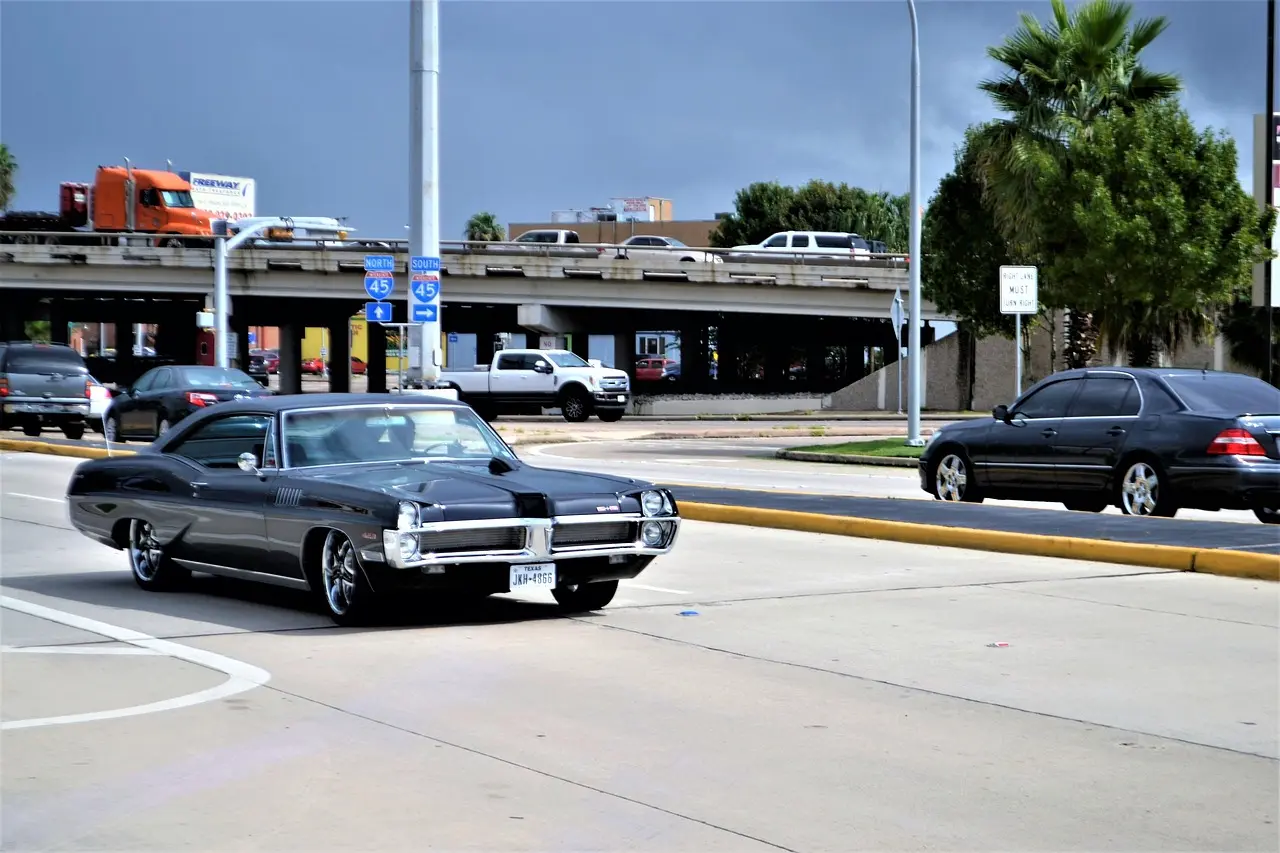
Dodge Charger Used Guide: Best Years, Problems, Costs
Often recommended used Dodge Charger picks are 2017-2023 V6 and 2019-2023 V8 cars; 2011-2014 are usually discounted heavily, and neglected 5.7/6.4 Hemi cars with valvetrain noise, lifter misfire, or overheated 8HP transmissions are best avoided. If the bad years or engine-specific faults are missed, a cheap Charger can turn into a first-year repair bill in the $2,000-to-$6,000 range, based on common used-car catch-up items such as tires, brakes, battery/charging repair, suspension work, infotainment replacement, and in worst cases HEMI valvetrain work; recall status should be verified in the NHTSA VIN tool, and routine ownership-cost baselines are best cross-checked against RepairPal and Edmunds True Cost to Own data where available.
The Charger is one of the few used sedans where model year alone does not tell the whole story. In most cases, the safer pick is a newer LD-generation V6 with clean scan data and completed recalls, while older LX cars, complaint-heavy 2011-2012 cars, and noisy HEMI V8s only work at a serious discount. For trim-specific shopping help, compare this guidance with a used Dodge Charger buying guide, trim breakdowns, and a dedicated Dodge Charger reliability page before narrowing to one listing.
What kind of used Dodge Charger are you really buying?
A used Charger is usually one of three different purchases: an older LX car with age-related risk, a mainstream LD V6 sedan with the lowest failure exposure, or a V8 trim whose drivetrain and running costs can rise in a hurry. Mileage, idle time, and service history often matter as much as badge or trim.
LX vs. LD changes the risk map
A common split is between the 2006-2010 LX and the 2011-present LD generations. That affects parts age, electronics, recalls, infotainment, transmission behavior, and the odds that the car has passed through several owners who put off repairs.
The older LX years are now deep into age-driven failures: wiring faults, brittle plastics, worn suspension parts, and skipped recall work. The LD years brought a newer platform cycle, better feature availability, and more late-model options with easier parts sourcing.
That generation split also changes how to read government data. Older LX years have had far more owner exposure time, while newer LD years may show fewer complaints partly because they are newer. The correct comparison is year-plus-engine-plus-trim, not just one overall model score.
Base V6 and V8 trims are different used cars
A 3.6L Pentastar V6 Charger is usually the lower-risk daily-driver choice across many year bands. A 5.7L HEMI R/T can justify a higher price, but only if cold-start behavior, scan data, service records, and transmission operation are all clean. Shoppers comparing trims should also look at Charger R/T vs SXT differences because the running-cost gap matters almost as much as the purchase price.
Performance trims also change the math. Tires, brakes, insurance, fuel use, and driveline wear climb faster on R/T and above than on a base or SXT-style V6 car, so a cheap V8 can still cost more over the next 12 months. EPA fuel-economy ratings and insurer trim-based pricing support that difference even before repairs are considered.
Why mileage and idle time matter
Low mileage is not an automatic win. A car that spent long stretches parked can bring weak batteries, parasitic draw complaints, sticky brakes, flat-spotted tires, stale fluids, and modules that act up only after sitting.
Say your choice is a 2013 R/T with 52,000 miles and patchy records versus a 2018 V6 with 92,000 miles and documented fluid services. The older car can still be the riskier bet because the HEMI, electronics, and aging rubber parts carry more downside.
Inspection detail matters here: repeated battery replacements, very old date codes on tires, rusty brake rotors after short storage, low-voltage history codes, and delayed module wake-up are concrete signs that a low-mile Charger may have sat too much rather than being carefully preserved.
Which Dodge Charger years are the best buys?
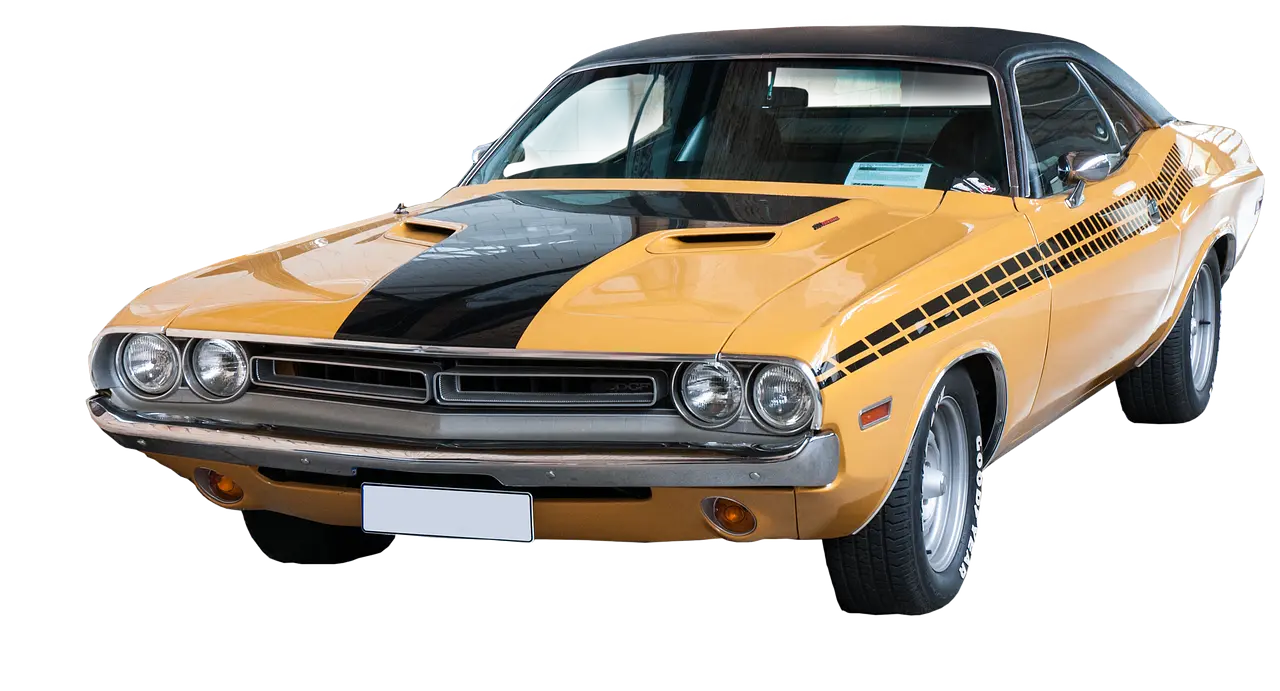
The strongest used-Charger targets are 2015, 2017-2018, and 2020-2021, with 2017-2023 V6 cars and 2019-2023 V8 cars usually making the cleanest buy cases. They are not all equal, though: 2017-2023 V6 cars are the safer broad recommendation, while 2019-2023 V8 cars are the safer V8-specific band only when cold-start and scan-tool checks are clean.
Why 2015 matters
2015 is a key reset year for many shoppers because it is early enough to stay affordable yet late enough to miss some of the oldest LD-car age exposure. It also sits after the first years of the 2011 redesign, which is useful because early redesign years often accumulate more owner complaints and software or module updates. For deeper trim research, it helps to compare the year against a Dodge Charger recalls summary and a trim-specific guide before buying.
Buy 2015 carefully by engine. A V6 with stable charging-system behavior and clean module scans is usually easier to justify than a bargain-priced HEMI with cold-start tick or rough idle. In other words, 2015 is a better V6 recommendation than a blanket V8 recommendation.
Best 2015 target: SXT or similar V6 daily-driver trims with complete service records and no open recall campaigns in the NHTSA VIN lookup. Use more caution on: R/T cars with missing oil-change history, uneven idle, or pending misfire codes.
Why 2017-2018 often hit the sweet spot
For many buyers, 2017-2018 land in the strongest value zone: prices are usually below newer 2020-2021 cars, age-related failures are still less common than on 2011-2014 examples, and common trouble spots have had time to show up in records and scan data.
For many buyers, 2017-2018 V6 cars deserve a small premium over 2011-2014 examples because the older car’s lower asking price often gets erased by batteries, touchscreens, alternators, suspension work, or overdue recall visits.
Selective buy: R/T and Scat Pack cars only if the seller can show regular oil service, no persistent HEMI tick, and no driveline vibration under load. This is the point where generation, engine, and trim need to be separated clearly: 2017-2018 V6 is a broad yes; 2017-2018 V8 is a case-by-case yes.
Why 2020-2021 can be smart buys
These years can make sense if they cost only a little more than a comparable 2017-2018 car and the inspection is clean. You get newer age, but lower complaint totals on newer cars can also reflect fewer years on the road and less owner exposure.
That caution matters. Newer years often look cleaner in complaint data simply because owners have had less time to report repeat faults, so recency alone is not proof of durability.
These years are attractive because they are still relatively young, but they should not automatically outrank a better-documented 2017-2018 car.
When a newer higher-mile Charger beats an older low-mile one
A newer V6 often beats an older V8 if the price gap is small. Higher highway mileage with routine servicing is usually easier to budget for than an older performance trim with fewer miles, more age, and unclear maintenance.
Picture a 2021 V6 with 78,000 mostly highway miles and a 2012 R/T with 61,000 miles that sat through winters. The newer car may need less immediate work because its battery, modules, seals, and transmission have seen fewer years of aging.
That is especially true when the older car shows classic storage-related clues: older tires despite low miles, brake pulsation from rotor corrosion, weak cranking after sitting, stale fluid intervals, or electronic glitches that clear after a restart.
Which Dodge Charger years should you avoid or only buy cheap?
The years to screen hardest are 2006 and 2011-2012. They show the clearest combination of age risk, heavier NHTSA complaint volume, and recall exposure relative to the stronger buy years above. These years should only be bought with a strong discount, clean scans, verified recall completion, and no engine, electrical, or transmission warning signs.
2006: high age, high complaint risk
2006 is the easiest red-flag year because it is both one of the oldest Chargers on the road and one of the heaviest-complaint years in NHTSA owner reports. Even without relying on third-party rankings, NHTSA complaint and recall records make clear that early LX cars require much harder screening than later LD cars.
A 2006 Charger now needs more than a low price. It needs proof that electrical faults, airbag recall work, charging issues, suspension wear, and transmission behavior have already been handled. Without that, the car is a project, not a value buy.
2006 recommendation by engine: V6 only, and only when service history is unusually strong. 2006 recommendation by trim: simple trims beat loaded trims because there are fewer expensive electronic features to fail at this age.
2011-2012: complaint-heavy LD years
2011-2012 deserve extra caution because they combine early-LD redesign risk with enough years on the road for repeat problems to show up in NHTSA complaint patterns. These are not automatic no-buy years, but they are weak-value years when priced close to 2015+ cars.
These years deserve hard screening for electrical problems, warning lights, no-start behavior, shifting issues, and incomplete recall work. If the seller cannot show clear service history and the price is not meaningfully below better years, move on.
2011-2012 recommendation by trim: avoid paying a premium for V8 excitement unless the car has unusually complete records and a quiet valvetrain from cold. Early-LD V8s are where “cheap horsepower” most often stops being cheap.
What discount makes a risky year make sense
There is no universal number because mileage, trim, and records matter, but the rule is simple: the discount must be large enough to absorb likely first-year work. On a risky V8 car, that means budgeting for battery, charging, screen, brakes, tires, fluids, and the possibility of major valvetrain repair.
A practical negotiation rule is to price the car as if at least one deferred-maintenance line item will hit in year one. That is not speculation; it is how older Charger ownership usually plays out when records are incomplete.
Is a used Dodge Charger reliable overall?
Used Charger reliability is mixed, not uniformly good or bad. The model has enough NHTSA complaint and recall history to demand careful screening, but later V6 cars can be reasonable buys. Reliability changes sharply by year, engine, trim, and maintenance history, so broad claims miss the real buying risk.
How to read complaint and recall data correctly
NHTSA owner complaints, recall campaigns, and manufacturer communications are more useful than unclear third-party scoring systems because they show actual reported problem categories and VIN-specific safety actions.
Complaint counts are directional. They show where patterns cluster, especially for older years with a lot of owner exposure. They do not adjust for production volume, maintenance quality, prior accident damage, or how many examples are still on the road.
Dealer service bulletins and manufacturer communications add the missing context. They often describe software updates, drivability complaints, charging issues, or infotainment faults that may not rise to recall level but still matter on a used-car inspection.
Which complaint categories matter most?
Electrical issues matter most because they are broad, recurring, and often hard to diagnose. In NHTSA complaint records, Charger owners repeatedly describe no-start events, alternator or battery concerns, warning lights, and module-related behavior; those are the kinds of faults that can hide behind a seller’s “it just needed a battery” explanation.
Air bag, fuel system, and transmission categories also matter. A Charger with unresolved recall work, repeated fuel-system visits, or hard-shift complaints deserves more skepticism than a similar car with a clean service paper trail.
For buyers, the key is not counting every complaint. It is matching complaint categories to what the exact car does on-site: low-voltage codes, intermittent camera failure, shift flare, rough idle, or a history of repeated dealer visits for the same symptom.
Why engine and trim matter more than many rankings admit
A V6 daily-driver and a V8 R/T should not be judged by the same standard. The 3.6L Pentastar V6 is the lower-risk powertrain in many used-Charger years, while the 5.7L HEMI carries a costlier failure pattern when valvetrain wear appears.
That does not make the V6 immune. It means the common failure modes differ, and the financial downside usually favors the V6 buyer.
Trim also changes reliability exposure. Police-package, rental-history, heavily modified, or repeatedly drag-raced V8 cars are a different risk class from a stock commuter-spec V6 with documented maintenance.
Engine and drivetrain trouble spots
5.7L HEMI V8: the expensive risk
The 5.7L HEMI is the expensive-risk engine in this market because lifter and cam wear can turn one symptom into a major repair. On used Chargers, the buyer-facing signs are ticking that does not settle normally, misfire codes, rough idle, check-engine lights, and service records that skip oil-change intervals or show long storage periods.
MDS-related lifter and cam wear is the pattern that can turn a “runs fine” test drive into a large engine bill. If a HEMI ticks at cold start and stays noisy warm, or if the scan shows cylinder-specific misfire or valvetrain-related faults, that is a walk-away signal.
The risk is higher on some V8 years than on many V6 cars. That is why a clean later Pentastar often deserves a premium over a bargain R/T.
Concrete diagnostic examples matter more than vague “engine problems” language. P0300-series misfire codes, repeated cylinder-specific misfires after clearing, metallic tick concentrated at the valve-cover area, or a seller who insists on warming the engine before arrival are the patterns that justify rejecting a car.
3.6L Pentastar V6: lower risk, different faults
The 3.6L Pentastar V6 is usually the safer used buy because it avoids the HEMI’s common lifter/cam downside and tends to fit the Charger’s commuter role better. Its issues are still real, but they usually show up as a different inspection list rather than the same catastrophic valvetrain pattern.
On a V6, focus on warning lights, cooling-system behavior, charging health, idle quality, and stored codes across engine and body modules. A smooth-running V6 with complete recall history is often the best-value Charger configuration.
In practical terms, a good V6 example should start cleanly from cold, idle steadily, show stable charging voltage, shift consistently, and finish a full drive cycle without infotainment resets or warning-light flicker.
Transmission behavior and no-go signs
Transmission trouble on used Chargers often shows up as hard shifting, hesitation, unexpected neutral events, or no-shift-from-Park complaints. A car that flares on upshifts, thumps into gear, or hesitates when you get back on the throttle after a roll should be treated as high risk.
Test drive from cold if possible. A warmed-up gearbox can hide faults that show during the first few shifts.
Real examples include a delayed reverse engagement after startup, a harsh 2-3 upshift when cold, or a coast-down clunk at city speeds. Those are more useful buying signals than general statements about “transmission issues.”
Driveline wear on heavier trims
Driveshaft carrier-bearing failures and driveline vibration deserve more attention on performance trims and high-torque V8 cars. Underbody thump, speed-related vibration, or a rumble on load changes can point to parts that are not cheap once labor is added.
Base V6 trims usually face lower driveline stress. That difference matters if two cars are priced within a narrow range.
During inspection, note whether the vibration appears only under throttle, only at a narrow speed band, or also in coast-down. That helps separate tires and alignment issues from driveline wear.
Electrical and recall trouble spots
Battery drain and charging faults
Electrical problems are one of the Charger’s most common complaint themes in NHTSA data, and you should inspect them as a system, not one part at a time. Battery drain, weak alternator output, blown fuses, and intermittent no-start complaints can all be connected.
On an older used car, repeated dead-battery history is enough to slow the deal down. Ask for dates of battery replacement, check date codes, and look for low-voltage or charging-related history codes even when the seller says the battery is “new.”
TIPM, key-fob recognition, and module behavior
Faulty module communication can mimic a bad battery or starter. Watch for slow wake-up, erratic cluster behavior, key-fob recognition failures, intermittent accessory operation, and no-start complaints that clear after a lock-unlock cycle or battery reset.
If the seller says the car “just needed a battery” more than once, inspect deeper. That line often hides draw issues, charging problems, or module faults that a quick jump-start masks.
Good scan-tool practice here means checking more than powertrain codes. Body, ABS, airbag, and infotainment modules often tell the real story.
Uconnect and touchscreen faults
Phantom touches, dead screen zones, random reboots, and backup-camera glitches matter because they can become a negotiation point or a replacement bill. On a Charger, the infotainment check is not cosmetic, it can reveal broader electrical health.
Cycle audio, climate controls, phone pairing, camera display, steering-wheel controls, and screen responsiveness before the drive and after the drive. Heat soak can bring out failures that do not show at first startup.
A Charger that passes a five-minute demo but begins ghost-touching after the cabin warms is not “mostly fine”; it is showing a known used-car fault pattern that should change the offer or end the deal.
Airbag recalls and parts-delay risk
Takata-related and other airbag recalls affected some Charger years across a long span of production, including older cars that are still on the used market. The key point for a buyer is not recall trivia. It is whether the exact VIN shows completion, open campaigns, or parts-availability delay in the NHTSA recall lookup.
Incomplete airbag work should change the deal immediately. If parts are still pending, that affects safety, convenience, and how soon the car can be considered fully sorted.
Before money changes hands, verify the VIN directly rather than relying on a seller screenshot. Open recall status is one of the easiest hard filters in the whole buying process.
What does a used Dodge Charger cost to own?
A used Charger is manageable in V6 form and much less forgiving in V8 trim. RepairPal’s public owner-cost dataset has long placed the Dodge Charger around the midsize/full-size mainstream range for annual repair spending, commonly cited at about $650 per year, but that average does not capture trim differences, deferred maintenance, or the much larger downside of HEMI valvetrain work. EPA fuel-economy ratings, insurer trim pricing, and tire/brake replacement costs all push V8 ownership higher than V6 ownership.
What the cost benchmarks do and do not say
The roughly $650 annual-repair figure from RepairPal is a broad cross-owner estimate, not a promise for the next twelve months. One trouble-free year can be followed by an expensive one if the car needs an alternator, suspension work, touchscreen replacement, or driveline repair.
Average-cost datasets also flatten trim differences. A V6 commuter car and a neglected Scat Pack do not belong in the same real-world budget even if they share one model name.
Fuel, tires, brakes, and insurance separate V6 from V8 math
V8 trims change ownership cost fast. They use more fuel by EPA rating, often wear wider tires sooner, and can need pricier brake service. Insurance can also rise because trim level, theft risk, and horsepower affect rating more than many shoppers expect.
A modest monthly price difference between a V6 and V8 can disappear once consumables are counted. That is especially true if the V8 already shows uneven tire wear or brake pulsation at purchase.
Put another way, a V8 should be bought because the buyer wants the V8 enough to fund it, not because it looked only slightly more expensive on the listing page.
Resale and budget by mileage band
Chargers can retain value fairly well compared with many large sedans, but trim and engine choice still drive the used-market spread. From this point forward, cleaner late-model V6 cars often give the better mix of depreciation control and repair risk, while late-model V8 cars hold stronger enthusiast demand if they remain stock and well documented.
- Under 60,000 miles: pay a premium for 2017-2021 V6 or a documented 2019-2021 V8.
- 60,000-100,000 miles: strongest value zone for 2015, 2017-2018, and 2020-2021 V6 cars.
- Over 100,000 miles: buy on records and scan data first; a high-mile V6 often makes more sense than a lower-mile HEMI with gaps.
Charger buy scorecard
Charger scorecard table
| Year band | Engine/trims to target | First five inspection checks to run on-site |
|---|---|---|
| 2006-2010 LX | Only well-documented V6 cars; V8 only at a steep discount | 1) Battery age and restart strength 2) Airbag recall completion by VIN 3) Warning lights at key-on and after start 4) Full code scan including body modules 5) Shift quality from cold |
| 2011-2014 LD | Prefer V6; avoid rough, noisy, or poorly documented HEMI cars | 1) Key-fob recognition and push-button start behavior 2) Charging voltage signs and battery history 3) Uconnect/touchscreen function 4) Pending and stored transmission codes 5) Road-test for hesitation or neutral events |
| 2015-2016 | V6 SXT-style trims first; R/T only with strong service records | 1) Cold-start engine noise 2) Check-engine and ABS light status 3) Recall paperwork and dealer history 4) Tire wear pattern and brake pulse 5) Camera, screen, and steering-wheel control test |
| 2017-2018 | Best value band for V6; selected V8 cars can justify a premium | 1) Scan for misfire and communication codes 2) Test all electronics before and after drive 3) Verify no battery-drain history 4) Check underbody for driveline vibration clues 5) Confirm transmission shifts clean hot and cold |
| 2019-2021 | Strong V6 and V8 targets if price is right and records are complete | 1) HEMI tick check on cold start 2) Recall and campaign status 3) Module readiness and pending codes 4) Backup camera and infotainment stability 5) Hard acceleration and coast-down shift behavior |
| 2022-2023 | Good premium candidates, but verify because long-term complaint data is still developing | 1) Battery and charging health 2) Software glitches or screen faults 3) Open recalls by VIN 4) Test-drive warning lights and transmission response 5) Confirm service intervals were not stretched |
Dodge charger used checklist
- Battery drain: Pass if the car cranks strongly after sitting and there is no repeated dead-battery history. Fail if the seller mentions frequent jump-starts or recent battery replacement without diagnosis.
- Warning lights: Pass if airbag, ABS, check-engine, and charging lights illuminate at key-on and go out as expected. Fail if any stay on, never appear, or return during the drive.
- Scan-tool codes: Pass if stored and pending codes are absent or clearly documented as minor and repaired. Fail on misfire codes, transmission faults, or module communication faults without proof of correction.
- Recall status: Pass if VIN-based recall work is complete or scheduled with parts available. Fail if major airbag work is open with no timeline or the seller has no idea what is outstanding.
- Test-drive symptoms: Pass if cold start, idle, shifts, braking, steering, and electronics stay normal. Fail on persistent HEMI tick, hesitation, neutral flare, brake pulse, vibration, overheating, or intermittent no-start behavior.
How to use the scorecard
Buy when the year band is favorable, the engine matches the intended use, the recall file is clean, and all five pass/fail checks are solid. Negotiate when the car is fundamentally sound but needs tires, brakes, cosmetic work, or a screen repair. Walk away when engine noise, transmission faults, or unresolved recall and module issues stack up.
The most useful way to apply the scorecard is in order: generation first, engine second, trim third, individual-condition fourth. That sequence prevents a buyer from overpaying for badge appeal when the underlying risk is wrong.
Diagnosing Overnight Battery Drain on a Used Charger
A used Dodge Charger that won’t start in the morning usually suffers from a weak battery, a failing alternator, or a parasitic electrical draw exceeding 50 milliamps while parked. Ignoring the issue leads to repeated no-starts and unnecessary parts replacement.
Before swapping components, you need a systematic approach: check terminal connections, verify charging output, and measure parked current draw to isolate the exact fault. Cold weather accelerates these failures by reducing available cranking amps. This guide covers the Dodge Charger battery drain triage process step by step, helping you determine whether the car needs a new battery, an alternator repair, or deeper electrical troubleshooting before you commit to a purchase.
How should you inspect a used Dodge Charger before buying?
Inspect a used Charger in four stages: paperwork, pre-start walkaround, scan-tool review, and a cold-to-warm test drive. The goal is to catch Charger-specific failure patterns early, especially battery draw, module faults, touchscreen issues, HEMI valvetrain noise, transmission behavior, and incomplete airbag recalls.
Paperwork and VIN checks
Start with the VIN, title status, fleet or rental history, and service records. Verify recall completion by VIN, then compare dealer records or repair invoices against the seller’s story. Open campaigns, especially airbag-related, should be treated as active buying risk.
Look for repeated battery replacements, alternator work, infotainment replacement, or unexplained no-start visits. Those patterns matter more than a polished exterior.
Dealer invoices are especially valuable on Chargers because they can reveal repeat visits for the same symptom, software flashes, or “could not duplicate” electrical complaints that never appear in the ad.
On-site checks before startup
Walk the car before anyone starts it. Check for uneven tire wear, moisture in the trunk or cabin, damaged fuse-box covers, weak door-lock response, slow screen wake-up, and signs the battery was recently disconnected to hide a light or reset a fault.
A common used-Charger mistake is overlooking a rough idle or lifter tick because the test drive starts only after the engine is fully warm. That can hide cold-start tick, rough idle, weak battery behavior, and the first-shift harshness that matters on these cars.
Concrete examples to look for include a battery clamp that was just disturbed, radio presets erased, windows needing auto-up relearn, or an already-hot engine on a cool day. Those are classic clues that the seller reset something shortly before the appointment.
Scan-tool checks that matter on a Charger
Read stored codes, pending codes, readiness monitors, and module communication status. A Charger can drive well for ten minutes and still hold clues in body, infotainment, and transmission modules.
Do not accept “no light, no problem” as proof. Some of the most expensive risks show up as pending misfires, history transmission faults, or communication errors before a dash light becomes permanent.
The useful diagnostic detail is not just whether a code exists, but whether multiple low-voltage codes appear across several modules, whether readiness monitors were recently reset, and whether one cylinder repeatedly logs a misfire after clearing.
Test-drive checks from cold to hot
Listen at cold start first. On a HEMI, ticking that lingers, rough idle, or a check-engine light deserves immediate caution. On any Charger, watch for clunky shifts, delayed engagement, steering pull, brake vibration, charging warnings, or infotainment resets once the cabin heats up.
Suppose the car drives normally for the first five minutes, then the screen starts ghost-tapping and the cluster flashes a charging warning at a stoplight. That single change is enough to pause the deal and inspect the electrical system much harder.
A complete test drive should include parking-lot steering lock turns, stop-and-go traffic simulation, moderate acceleration, coast-down, reverse engagement, and a hot restart after 15 to 20 minutes. That sequence is how Charger-specific drivability and electrical faults usually reveal themselves.
Frequently asked questions
What are the best years for a used Dodge Charger?
Later V8 cars can also be good buys, but only when cold-start noise, scan data, and transmission behavior are clean enough to justify the premium.
More specifically, 2017-2023 V6 cars are the best broad recommendation, 2015-2018 V6 cars are often the best value recommendation, and 2019-2023 V8 cars are the best V8-only recommendation when service history is strong.
Which Dodge Charger years should I avoid?
Those years only make sense when priced well below cleaner alternatives and when recall status, electrical behavior, and drivetrain checks all pass.
That does not mean every single car from those years is bad. It means those years should be treated as exceptions that must prove themselves, not as default recommendations.
Which Charger engine is safer to buy used, the V6 or V8?
The 3.6L Pentastar V6 is usually the safer used buy because it avoids the HEMI’s common lifter and cam wear pattern and generally brings lower running costs. A V8 can still be worth it, but only with strong records, quiet valvetrain behavior, and clean code scans.
For most daily drivers, the V6 is the rational buy. The V8 is the enthusiast buy.
What problems are most common on used Dodge Chargers?
Electrical faults lead the list, especially battery drain, charging failures, blown fuses, no-start complaints, key-fob recognition issues, and touchscreen failures. Buyers also need to screen for HEMI valvetrain noise, hard shifting, hesitation, unexpected neutral events, driveline vibration, and open airbag recalls.
The most expensive mistake is usually not one dramatic failure; it is buying a car with several medium-size problems stacked together.
How do recalls and TSBs affect a used Charger purchase?
Recalls affect safety, downtime, and negotiating power, especially airbag campaigns with open status or parts delays. TSB patterns help explain repeat problems, but the real decision point is whether the exact VIN has completed recall work and whether scan data or invoices show the issue was actually fixed.
If the car has an open recall and the seller has no appointment, no paperwork, and no explanation, treat that as active risk rather than harmless admin work.
What should I inspect before buying a used Dodge Charger?
Check VIN recall status, service history, title background, battery behavior, warning lights, stored and pending scan codes, key-fob function, screen operation, and cold-start plus warm-drive symptoms. On HEMI cars, persistent tick or misfire signs are major red flags; on any Charger, shifting faults and no-start history matter.
If only one tool is available, bring a scan tool. It is the fastest way to catch low-voltage history, pending misfires, and module faults that a short drive can miss.
Are Dodge Charger R/T models worth buying used?
Yes, but only selectively. A used Charger R/T is worth buying when it starts cold without persistent tick, has complete oil-service history, shows no cylinder-specific misfire pattern, and shifts cleanly hot and cold. It is not worth buying just because the asking price is close to a V6, because the repair downside is materially higher.
Is a high-mile Dodge Charger a bad idea?
No, not automatically. A high-mile V6 Charger with steady maintenance, complete recalls, and clean scan data is often a better buy than a lower-mile V8 with storage history, electrical problems, or missing records. Highway mileage with documentation is usually easier to own than low mileage with unanswered questions.
Should you buy a former police Charger?
Usually only at a very aggressive price. Police-package Chargers can have heavier idle hours, curb wear, interior hard use, and electrical modifications that complicate diagnosis later. They can be durable, but they are not the same risk profile as a civilian-owned commuter trim.
What is the best used Charger for most buyers?
That recommendation balances purchase price, mechanical risk, feature set, and running costs better than older LX cars or bargain-priced V8s.
Final comparison: best used Charger by buyer type
The best used Dodge Charger is not one universal year. It depends on whether the buyer prioritizes low risk, low price, or V8 performance. Separating generation, engine, and trim makes the decision much clearer than broad “best years” lists.
Why: newer age, lower driveline stress, fewer expensive failure modes than a comparable HEMI, and easier overall ownership budgeting.
Why: they usually undercut newer cars on price without dropping all the way into the heavier-risk 2011-2012 zone.
Why: better age profile and a better chance of documented care than earlier cheap V8s.
Why: they stack age, complaint exposure, and recall/electrical risk in a way that only a strong discount can offset.
Bottom line: if the goal is the safest used Charger recommendation, choose a 2017-2023 V6. If the goal is a HEMI car, do not compromise on cold-start inspection, scan data, or recall verification just to save upfront money.
Sources
- NHTSA owner complaints database for Dodge Charger model years under consideration
- NHTSA recall database and VIN recall lookup for Dodge Charger
- NHTSA manufacturer communications and dealer service bulletins for Dodge Charger
- RepairPal Dodge Charger annual repair cost data
- EPA fuel economy ratings for Dodge Charger powertrains
- Edmunds True Cost to Own and market pricing references where applicable
- FCA/Stellantis dealer service history and maintenance-record review when available from the vehicle seller